Test Your Knowledge!!!!
How much do you know about Diabetes? Test your knowledge by completing this crossword puzzle. Good luck bloggers!!!
https://www.hnfs.com/content/dam/hnfs/tn/common/pdf/wellness_newsletter/diabetes_crossword_puzzle.pdf
Sunday, August 25, 2013

Friday, July 19, 2013
Demystifying the Myths of Diabetes
Good afternoon bloggers,
As we all learned last session, there are many myths regarding diabetes as we viewed “Demystifying the Myths of Diabetes”. Let’s review the myths that were discussed in the video.
Myth: People with diabetes can’t play sports.
Fact: You can and should exercise regularly as long as you monitor yourself.
Myth: Having to take Insulin means you are really sick.
Fact: If your treatment requires it, insulin can help you stay healthy.
Myth: All people with diabetes will eventually lose a limb, go blind, or need dialysis.
Fact: Taking care of your body and following your diabetes treatment plan can delay or prevent complications.
Myth: If you have a family history of diabetes, you will definitely get diabetes.
Fact: Many people with a family history will not develop diabetes.
If you missed June 2013 Diabetes Support Group, visit Discovery Health to watch Demystifying the Myths of Diabetes” or click on the following links for Part1 –Part 4.
Part 1
Part 2
Part 3
Part 4
Thursday, June 21, 2012
Recipes
RECIPES FOR DIABETICS
Orange Roughy with Dilled Vegetables
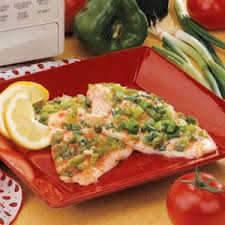
2 orange roughy fish fillets
1 table spoon olive oil
2 te4aspoons fresh lemon juice
1deaspoon dried dill weed
1/4 teaspoon pepper
1 small (5oz) zucchini, cut lengthwise in half and then crosswise into 1/4 inch slices
3 plum tomatoes, each cut crosswise in half then into quarters (approximately 1 cup)
1/2 small yellow, red or green bell pepper, cut into thin strips
1 green onion, cut diagonally into slices
salt (optional)
1. Cut fish fillets to make 4 equal serving size portions, In 8-inch square microwave-safe baking dish, arrange fish in spoke- fashion with one portion fish in each corner; fold thinner ends under to make even thickness.
2. In medium bowl, combine oil, lemon juice, dill and pepper. Add vegetables, tossing to coat. Arrange vegetables evenly over fish. Cover with microwave safe plastic wrap, lifting one edge to vent.
3. Microwave on high 7-8 minutes or until fish flakes and vegetables are tender rotating dish halfway through cooking. Let stand for 5 minutes before serving.
Nutrition information: 126 calories; 18g protein; 4g carbohydrate 4g fat; .8 mg iron; 78mg sodium;23 mg cholesterol.
Spread the sauce evenly over the pizza crust. Add the pepper, tomato, mushrooms and chicken. Drizzle barbecue sauce over the pizza and top with cheese.
Bake about 12 to 14 minutes. Cut the pizza into 8 slices and serve immediately.
DRESSINGS
- often we are doing so well eating our vegetables and making sure to get enough greens, that we neglect to notice how bad our dressing can be. Below are some great recipes for simple and healthy dressing to add to your healthy meal and lifestyle!


Summer Dressing
This is a delicious dressing for many different salads such as sliced head lettuce, shredded cabbage, sliced tomatoes, tossed greens, deviled eggs, or sliced tomatoes. After making this dressing, be sure to refrigerate for a several hours before using, stirring occasionally.
1cup (8oz) plain yogurt
2tbsp finely diced radishes
1/2cup very finely chopped and unpeeled cucumber, drained
1tbsp of minced parsley
1tbsp of green onions
1tbsp white vinegar
1tbsp prepared horse radish
1/8 teaspoon of salt
Combine all ingredients carefully and thoroughly, Turn into pint jar, cover and chill well before using, Stir before using.
YIELD: 1.5 cups, with total values of 15g carbohydrates, 9g protein, 4g fat, 132 calories.
No Calorie Dressing
Here is a basic recipe with variations for quickly made salad dressings suitable for many types of salads. Since none have any food values, you ay use them generously, The basic recipe itself is delicious on either fruit salads or vegetable salads. Serve the variations on vegetable or meat salads.
1/2c cold water
1/2c white vinegar
1/2tsp salt
1/2tsp pure, dry mustard
1/8tsp pepper
1/16tsp of paprika
Low calorie or no calorie sweetener to taste
Combine all ingredients in a pint jar, cover tightly, shake vigorously, store in refrigerator. YIELD: 1c-no food values.
Variations:
Green Onion- to above recipe add 2 or 3 green onions cut very small
Poppy Seed- Use1/2 c of cider vinegar instead of white vinegar; omit paprika; add 1 tbsp of poppy seed
Dilly Dressing: use 1/2c of mat vinegar in place of white vinegar; omit paprika; add 1-1/2 tbsp of dill seed
For more great recipes for diabetics, please follow the link to Mayo clinics recipes for diabetics site which can be found by Clicking Here
SPOTLIGHT ON BLOGGERS: What's your favorite healthy recipe??? Share here! by clicking the comment button and simply adding content!
This link can provide you with a free recipe book for diabetics! Click Here For Free Recipe Book!
Orange Roughy with Dilled Vegetables
2 orange roughy fish fillets
1 table spoon olive oil
2 te4aspoons fresh lemon juice
1deaspoon dried dill weed
1/4 teaspoon pepper
1 small (5oz) zucchini, cut lengthwise in half and then crosswise into 1/4 inch slices
3 plum tomatoes, each cut crosswise in half then into quarters (approximately 1 cup)
1/2 small yellow, red or green bell pepper, cut into thin strips
1 green onion, cut diagonally into slices
salt (optional)
1. Cut fish fillets to make 4 equal serving size portions, In 8-inch square microwave-safe baking dish, arrange fish in spoke- fashion with one portion fish in each corner; fold thinner ends under to make even thickness.
2. In medium bowl, combine oil, lemon juice, dill and pepper. Add vegetables, tossing to coat. Arrange vegetables evenly over fish. Cover with microwave safe plastic wrap, lifting one edge to vent.
3. Microwave on high 7-8 minutes or until fish flakes and vegetables are tender rotating dish halfway through cooking. Let stand for 5 minutes before serving.
Nutrition information: 126 calories; 18g protein; 4g carbohydrate 4g fat; .8 mg iron; 78mg sodium;23 mg cholesterol.
BBQ CHICKEN PIZZA

Ingredients
- 1 cup pizza sauce
1 12-inch Italian pizza crust
8 green pepper rings
1 tomato, sliced
1 cup mushrooms, sliced
4 ounces cooked chicken breast, sliced about 1-inch thick, with all visible fat removed
2 tablespoons barbecue sauce
1 cup reduced-fat mozzarella cheese, shredded
Directions
Preheat the oven to 400 F.Spread the sauce evenly over the pizza crust. Add the pepper, tomato, mushrooms and chicken. Drizzle barbecue sauce over the pizza and top with cheese.
Bake about 12 to 14 minutes. Cut the pizza into 8 slices and serve immediately.
Nutritional analysis per serving
| Serving size: 2 slices | |||
| Calories | 333 | Sodium | 961 mg |
| Total fat | 8 g | Total carbohydrate | 44 g |
| Saturated fat | 3 g | Dietary fiber | 3 g |
| Monounsaturated fat | trace | Protein | 23 g |
| Cholesterol | 35 mg | ||
DRESSINGS
- often we are doing so well eating our vegetables and making sure to get enough greens, that we neglect to notice how bad our dressing can be. Below are some great recipes for simple and healthy dressing to add to your healthy meal and lifestyle!
Summer Dressing
This is a delicious dressing for many different salads such as sliced head lettuce, shredded cabbage, sliced tomatoes, tossed greens, deviled eggs, or sliced tomatoes. After making this dressing, be sure to refrigerate for a several hours before using, stirring occasionally.
1cup (8oz) plain yogurt
2tbsp finely diced radishes
1/2cup very finely chopped and unpeeled cucumber, drained
1tbsp of minced parsley
1tbsp of green onions
1tbsp white vinegar
1tbsp prepared horse radish
1/8 teaspoon of salt
Combine all ingredients carefully and thoroughly, Turn into pint jar, cover and chill well before using, Stir before using.
YIELD: 1.5 cups, with total values of 15g carbohydrates, 9g protein, 4g fat, 132 calories.
No Calorie Dressing
Here is a basic recipe with variations for quickly made salad dressings suitable for many types of salads. Since none have any food values, you ay use them generously, The basic recipe itself is delicious on either fruit salads or vegetable salads. Serve the variations on vegetable or meat salads.
1/2c cold water
1/2c white vinegar
1/2tsp salt
1/2tsp pure, dry mustard
1/8tsp pepper
1/16tsp of paprika
Low calorie or no calorie sweetener to taste
Combine all ingredients in a pint jar, cover tightly, shake vigorously, store in refrigerator. YIELD: 1c-no food values.
Variations:
Green Onion- to above recipe add 2 or 3 green onions cut very small
Poppy Seed- Use1/2 c of cider vinegar instead of white vinegar; omit paprika; add 1 tbsp of poppy seed
Dilly Dressing: use 1/2c of mat vinegar in place of white vinegar; omit paprika; add 1-1/2 tbsp of dill seed
For more great recipes for diabetics, please follow the link to Mayo clinics recipes for diabetics site which can be found by Clicking Here
SPOTLIGHT ON BLOGGERS: What's your favorite healthy recipe??? Share here! by clicking the comment button and simply adding content!
This link can provide you with a free recipe book for diabetics! Click Here For Free Recipe Book!
What to Eat
Now that we've gotten the worst part out of the way, what CAN we eat. Take a look at the following tables to help you guide your healthy eating choices.
BEST & WORST CHOICES
If you already follow a healthful meal plan filled with whole grains, fresh fruits and veggies, and lean protein, congratulations! You're on your way to a long, healthy life and are taking a major step in controlling your weight and blood glucose levels. Plus, you're probably already eating a bunch of the foods on this list.
For those who are taking the baby-steps approach to eating better, this list is even more helpful. This is a simple way to compare your best and worse choices for your diabetes. Stick to the best choices and you can enjoy without missing out while still keeping yourself healthy!
Breads, Grains, and Diabetes

Along with essential vitamins, minerals, and fiber, foods in this first category contain mostly complex carbohydrates that your body turns into sugar for energy. Even though carbs make glucose levels rise, complex carbs are absorbed more slowly than simple carbs, and you need carbs for energy. Use this list as a guide to help you choose the complex carbs that are best for you.
These foods are high in protein.
They include beef, chicken, fish, pork, turkey, and seafood. This group
also includes beans, cheese, eggs, nuts, and tofu. Selecting non-meat
sources of protein can help lower the amount of fat you eat. Use this
list to guide your protein choices.
This group includes milk and foods made from milk, such as yogurt
and sour cream. Milk contains a lot of protein and minerals, including
calcium. Use this list to guide your selection of milk products.
Many beverages are not found on the food pyramid. Some beverages
contain lots of carbohydrates while providing very little nutrition.
This makes it easy for beverages to contribute to weight gain. Here are
some best-choice and worst-choice examples.
BEST & WORST CHOICES
If you already follow a healthful meal plan filled with whole grains, fresh fruits and veggies, and lean protein, congratulations! You're on your way to a long, healthy life and are taking a major step in controlling your weight and blood glucose levels. Plus, you're probably already eating a bunch of the foods on this list.
For those who are taking the baby-steps approach to eating better, this list is even more helpful. This is a simple way to compare your best and worse choices for your diabetes. Stick to the best choices and you can enjoy without missing out while still keeping yourself healthy!
Breads, Grains, and Diabetes
Along with essential vitamins, minerals, and fiber, foods in this first category contain mostly complex carbohydrates that your body turns into sugar for energy. Even though carbs make glucose levels rise, complex carbs are absorbed more slowly than simple carbs, and you need carbs for energy. Use this list as a guide to help you choose the complex carbs that are best for you.
| Best Choices | Worst Choices |
| Whole-grain flours, such as whole wheat flour | White flour |
| Whole grains, such as brown rice | Processed grains, such as white rice |
| Cereals containing whole-grain ingredients and little added sugar | Cereals with little whole grain and lots of sugar |
| Whole-grain bread | White bread |
| Baked potato or baked steak fries | French fries |
| Whole-grain flour or corn tortillas | Fried white-flour tortillas |
Diabetes and Fruits
Fruits contain carbohydrates, vitamins, minerals, and fiber. They are naturally low in fat -- except for avocados -- and sodium. Fruits often contain more carbs than are found in vegetables.| Best Choices | Worst Choices |
| Frozen fruit or fruit canned in fruit juice | Canned fruit with heavy sugar syrup |
| Fresh fruit | Chewy fruit rolls |
| Sugar-free or low-sugar jam or preserves | Regular jam, jelly, and preserves (unless portion is kept small) |
| No-sugar-added applesauce | Sweetened applesauce |
| 100% fruit juice or low-carb juices | Fruit punch, fruit drinks, fruit juice drinks, sweetened soda |
Diabetes, Meat, and Other Protein

| Best Choices | Worst Choices |
| Baked, broiled, grilled, or stewed meats | Fried meats |
| Lower-fat cuts of meat, such as top sirloin | Higher-fat cuts of meat, such as ribs |
| Turkey bacon | Pork bacon |
| Low-fat cheeses | Regular cheeses |
| Skinless breast of chicken or turkey | Poultry with skin |
| Baked, broiled, steamed, or grilled fish | Fried fish |
| Tofu lightly sauteed, steamed, or cooked in soup | Fried tofu |
| Baked or stewed beans | Beans prepared with lard |
Diabetes and Dairy
| Best Choices | Worst Choices |
| 1% or skim milk | Whole milk |
| Low-fat yogurt | Regular yogurt |
| Low-fat cottage cheese | Regular cottage cheese |
| Nonfat sour cream | Regular sour cream |
| Frozen low-fat, low-carb yogurt | Regular ice cream |
| Nonfat half and half | Regular half and half |
Diabetes and Fats, Oils, and Sweets
Fats, oils, and sweets -- and foods containing them -- often provide lots of calories and little nutrition Many "snack foods" are filled with fats or oils and sugar. Eating too much of these kinds of foods can lead to weight gain making it harder to keep diabetes under control. That doesn't mean you
have to avoid fats, oils, and sweets altogether. Just select and eat
them wisely. Here are some suggestions.
| Best Choices | Worst Choices |
| Baked snacks, such as baked potato chips, baked corn chips, puffed rice, or corn snacks | Snacks fried in fat, such as potato chips, corn chips, pork rinds |
| Vegetable oils, non-hydrogenated butter spreads, margarine | Lard, hydrogenated vegetable shortening, butter |
| Reduced-fat mayonnaise Light salad dressings |
Regular mayonnaise Regular salad dressings |
| Air-popped or calorie-controlled popcorn | Butter-flavored stove-top popcorn |
Diabetes and Beverages

| Best Choices for Beverages | Worst Choices |
| Water, unflavored or flavored sparkling water | Regular sodas |
| Light beer, small amounts of wine or non-fruity mixed drinks | Regular beer, fruity mixed drinks, dessert wines |
| Unsweetened tea (add a slice of lemon) | Sweetened tea |
| Coffee, black or with added low fat milk and sugar substitute | Coffee with sugar and cream |
| Home-brewed coffee and hot chocolate | Flavored coffees and chocolate drinks |
| Sport drinks | Energy drinks |
Diabetes and Vegetables
Vegetables contain carbohydrates, vitamins, and minerals. They usually contain fewer carbs than fruits. Many vegetables contain fiber and are naturally low in fat and sodium (unless they are canned). Starchy vegetables, such as potatoes and corn, aren't included in this category. They are considered part of the breads, grains, and other starches group. Use this list to guide your shopping and cooking choices.| Best Choices | Worst Choices |
| Fresh vegetables, eaten raw or lightly steamed, roasted, or grilled Frozen vegetables, lightly steamed |
Canned vegetables with lots of added sodium Vegetables cooked with lots of added butter, cheese, or sauce |
| Fresh cucumbers | Pickles (only if you need to limit sodium otherwise pickles are a good choice) |
| Fresh shredded cabbage or coleslaw | Sauerkraut, (same as pickles, limit only if you have high blood pressure |
Thursday, June 7, 2012
What to Avoid
Foods To Eat and Avoid will be the topic of the next two blog entries, below is a list of foods to avoid and how some modifications can be made so you don't have to miss out entirely!
First and foremost: Eating healthy with diabetes doesn't have to mean deprivation, starvation, or bland and boring foods!!!
This however, does not mean that anything goes.
Some foods really are best left on the table or in the store.
Everyone, with diabetes or without, would be wise to avoid or limit the foods on this list because they are high in saturated fat and trans fat, which contribute to heart disease risk. The foods are also high in added sugar, which is an empty source of calories that can lead to weight gain and throw off your sugar.
If you see some of your favorite foods on this list, don't lose heart: There are several healthier options for you to choose from. So you can have your fries and eat them, too, provided they're baked rather than deep-fat fried.
1. Restaurant or Fast Food French Fries- while you should avoid these, you can always purchase and bake your own at home!
2. Burgers or Fried Sandwiches- again, if you prepare the burger at home, 3oz is a perfect portion size and you can use condiments as well!

3. Fried Chicken- this should be avoided outside of the home due to the oils used to fry, however, you don't have to give up the fried chicken you love, try this recipe at home Fried Chicken Breasts
4. Store-bought sweets- According to the U.S. Food and Drug Administration, 40 percent of trans fats consumed in the United States come from commercially made baked goods, such as cookies.
Sugar, butter, high-fructose corn syrup, shortening, margarine and partially hydrogenated or hydrogenated oils are the biggest saturated fat and trans fat contributors that can also pile on calories and carbohydrates.
Instead of buying cookies, bake them at home!!!!
5. Purchases donuts and other baked goods- same as above!
 . Garnering its
name for a reason (it's traditionally made with a pound of butter, eggs,
sugar, and flour), the U.S. Food and Drug Administration lists one
slice of pound cake as having 3.5 grams of saturated fat and 4.5 grams
of trans fat. There is no recommendation for any percentage of trans fat
as part of your daily calories. Avoiding all trans fats can help lower
cholesterol and manage your diabetes!
. Garnering its
name for a reason (it's traditionally made with a pound of butter, eggs,
sugar, and flour), the U.S. Food and Drug Administration lists one
slice of pound cake as having 3.5 grams of saturated fat and 4.5 grams
of trans fat. There is no recommendation for any percentage of trans fat
as part of your daily calories. Avoiding all trans fats can help lower
cholesterol and manage your diabetes!
7. Frozen Meals
8. Processed lunch meats
9. Regular soft drinks
10. Flavored waters
11. Purchased smoothies
12. Fruit beverages- these sugar monsters make our list of worst foods for diabetics because they can be
high in calories and sugar.
 For example, even in Minute Maid 100% Juice
Blends there can be at least 29 grams of sugar, 120 calories, and 31
grams of
carbohydrate and this is just in an 8-ounce serving!
For example, even in Minute Maid 100% Juice
Blends there can be at least 29 grams of sugar, 120 calories, and 31
grams of
carbohydrate and this is just in an 8-ounce serving!
13.Milk shakes- These tasty treats are hiding places for bad-for-your-heart trans fat. They also are loaded with calories and sugar.For example, a small chocolate milkshake at A&W Restaurant has 700 calories, 1 gram of trans fat (with 29 grams of total fat), and 60 grams of sugar. Topping it with whipped cream adds more calories and sugar to your meal.
14. Frozen AND Purchased Pizza- both are equally bad for you, loaded with sodium, trans fats and cholesterol. Try making pizza at home with low sodium cheese, veggies for toppings, and a wheat crust!
Also be careful of:
Canned fruit- VERY high in sugar and preservative and ruins the nutritional value of your fruit
and Kettle Corn Popcorn- though popcorn can be a great healthy snack for diabetics, it is important to be careful of which kind you are choosing. You don't want to eat this sugar and saturated fat filled snack.
Fear not bloggers- all of these DON'TS have an alternative that you CAN have
The next blog entry will include recipes for these alternatives and others, but as a general rule, if you prepare your food at home (yes even the junk food) you are better off than buying it at a store or getting it at a restaurant!
If you'd like to get a jump start on these recipes, they can be found at Diabetic Living Online
First and foremost: Eating healthy with diabetes doesn't have to mean deprivation, starvation, or bland and boring foods!!!
This however, does not mean that anything goes.
Some foods really are best left on the table or in the store.
Everyone, with diabetes or without, would be wise to avoid or limit the foods on this list because they are high in saturated fat and trans fat, which contribute to heart disease risk. The foods are also high in added sugar, which is an empty source of calories that can lead to weight gain and throw off your sugar.
If you see some of your favorite foods on this list, don't lose heart: There are several healthier options for you to choose from. So you can have your fries and eat them, too, provided they're baked rather than deep-fat fried.
1. Restaurant or Fast Food French Fries- while you should avoid these, you can always purchase and bake your own at home!
2. Burgers or Fried Sandwiches- again, if you prepare the burger at home, 3oz is a perfect portion size and you can use condiments as well!

3. Fried Chicken- this should be avoided outside of the home due to the oils used to fry, however, you don't have to give up the fried chicken you love, try this recipe at home Fried Chicken Breasts
4. Store-bought sweets- According to the U.S. Food and Drug Administration, 40 percent of trans fats consumed in the United States come from commercially made baked goods, such as cookies.
Sugar, butter, high-fructose corn syrup, shortening, margarine and partially hydrogenated or hydrogenated oils are the biggest saturated fat and trans fat contributors that can also pile on calories and carbohydrates.
Instead of buying cookies, bake them at home!!!!
5. Purchases donuts and other baked goods- same as above!

7. Frozen Meals
8. Processed lunch meats
9. Regular soft drinks
10. Flavored waters
11. Purchased smoothies
12. Fruit beverages- these sugar monsters make our list of worst foods for diabetics because they can be
high in calories and sugar.
13.Milk shakes- These tasty treats are hiding places for bad-for-your-heart trans fat. They also are loaded with calories and sugar.For example, a small chocolate milkshake at A&W Restaurant has 700 calories, 1 gram of trans fat (with 29 grams of total fat), and 60 grams of sugar. Topping it with whipped cream adds more calories and sugar to your meal.
14. Frozen AND Purchased Pizza- both are equally bad for you, loaded with sodium, trans fats and cholesterol. Try making pizza at home with low sodium cheese, veggies for toppings, and a wheat crust!
Also be careful of:
Canned fruit- VERY high in sugar and preservative and ruins the nutritional value of your fruit
and Kettle Corn Popcorn- though popcorn can be a great healthy snack for diabetics, it is important to be careful of which kind you are choosing. You don't want to eat this sugar and saturated fat filled snack.
Fear not bloggers- all of these DON'TS have an alternative that you CAN have
The next blog entry will include recipes for these alternatives and others, but as a general rule, if you prepare your food at home (yes even the junk food) you are better off than buying it at a store or getting it at a restaurant!
If you'd like to get a jump start on these recipes, they can be found at Diabetic Living Online
Tuesday, May 29, 2012
Health Eating
The next few sessions will focus on healthy eating. They will include some general tips on how to eat, what to eat and even some great recipes for Diabetics.
How to Eat: Portion Control is Key!

Use this handy tool on the plate method, distributed in support group session 1, to help control your portion sizes
The American Diabetes Association highlights an easy way to accomplish this, even if you don't have your plate method hand out with you.
Create your plate is a fast and easy way to choose and eat the foods you want by focusing on your portion sizes and making healthier food choices.
If you, like many others, simply do not know where to start making changes, changing the amount of food that you are already eating is a great start!
Creating your plate, or using the plate method, is an easy way to control your blood glucose levels.
See below for a helpful video on how to create your plate, it's EASY!!
These are the Six Easy Steps to Create Your Plate discussed in the video above:
This is a simple and effective way to manage diabetes and lose weight. The plate method, or creating your plate is great because you can still eat the foods you like but changes the portion sizes so you're getting larger portions of, the good stuff (non starchy vegetables) and smaller portions of the not-so-good stuff (see below for examples).
Once you have mastered the plate method with the foods you're used to, try some new items from the non-starchy vegetables list.
Here are six simple tips to get you started (as outlined in the video):
Using your dinner plate, put a line down the middle of the plate.
- Then on one side, cut it again so you will have 3 sections on your plate.
- Fill the largest section with non-starchy vegetables such as:
- spinach, carrots, lettuce, greens, cabbage, bok choy
- green beans, broccoli, cauliflower, tomatoes,
- vegetable juice, salsa, onion, cucumber, beets, okra,
- mushrooms, peppers, turnip
- Now in one of the small sections, put starchy foods such as:
- whole grain breads, such as whole wheat or rye
- whole grain, high-fiber cereal
- cooked cereal such as oatmeal, grits, hominy, or cream of wheat
- rice, pasta, dal, tortillas
- cooked beans and peas, such as pinto beans or black-eyed peas
- potatoes, green peas, corn, lima beans, sweet potatoes, winter squash
- low-fat crackers and snack chips, pretzels, and fat-free popcorn
- And then on the other small section, put your meat or meat substitutes such as:
- chicken or turkey without the skin
- fish such as tuna, salmon, cod, or catfish
- other seafood such as shrimp, clams, oysters, crab, or mussels
- lean cuts of beef and pork such as sirloin or pork loin
- tofu, eggs, low-fat cheese
- Add an 8 oz glass of non-fat or low-fat milk. If you don’t drink milk, you can add another small serving of carb such as a 6 oz. container of light yogurt or a small roll.
- And a piece of fruit or a 1/2 cup fruit salad and you have your meal planned. Examples are fresh, frozen, or canned in juice or frozen in light syrup or fresh fruit.
Thursday, April 19, 2012
Lower Body Stretches
WHY SHOULD WE DO THIS KIND OF PHYSICAL ACTIVITY?
Leg stretches for seniors and the elderly will help improve the mobility of the soft tissues around your joints including muscles, connective tissue and skin. Performing many of your daily activities requires an unrestricted and pain free range of motion.Having adequate motion in your low back, hips, knees and ankles is an important factor in preventing injury or reinjury around these joints.
As we age our mobility may become restricted due to decreased activity levels, prolonged bed rest and extended wheelchair use. This can lead to long term poor positioning of your joints with resulting stiffness and pain.
Through time your muscle strength is altered as the tissue shortens and loses its normal elasticity. As the muscle shortens it is no longer able to produce adequate strength to perform daily activities.
This cycle continues and may lead to increased stiffness and pain in your joints.
Below are some leg stretches exercises designed to stretch the major areas of your lower body safely and effectively.
Leg stretches for seniors and the elderly will help improve the mobility of the soft tissues around your joints including muscles, connective tissue and skin. Performing many of your daily activities requires an unrestricted and pain free range of motion.Having adequate motion in your low back, hips, knees and ankles is an important factor in preventing injury or reinjury around these joints.
As we age our mobility may become restricted due to decreased activity levels, prolonged bed rest and extended wheelchair use. This can lead to long term poor positioning of your joints with resulting stiffness and pain.
Through time your muscle strength is altered as the tissue shortens and loses its normal elasticity. As the muscle shortens it is no longer able to produce adequate strength to perform daily activities.
This cycle continues and may lead to increased stiffness and pain in your joints.
Below are some leg stretches exercises designed to stretch the major areas of your lower body safely and effectively.
Bloggers- Try these exercises!
Click on the exercise to see a descriptive video!
Thanks to eldergym for these great videos and commentary!
1. Seated Lifts- Improve the range of motion in your hips and legs.
- Help stabilize your low back and pelvis.
- Will improve your hip and knee range of motion with these exercises to increase flexibility.
- Can improve your standing posture by allowing you to stand up straighter.
- Improves the range of motion in your spine and trunk with lower back stretching.
- Increases your ability to bend and reach low or high.
- Improve your hip and thigh range of motion with stretching legs exercises.
- Increase your functional ability in standing, walking and stepping.
- Targets the flexibility of your calf muscle and heel cord. with calf muscle stretches.
- Increases your ability to straighten your knee
- This is a good stretch for the side hip area.
- Improve the range of motion of our hips.
- These stretching techniques also can help with balance.
- Increase the range of motion of your hips with these flexibility stretches.
- Improve the functional use of your legs as in getting out of a car or stepping over the side of your bath tub.
- Increases the flexibility of the deep calf muscle with flexibility stretching exercises.
- Generally improves your lower body flexibility and functional use of your legs.
- Improve the range of motion of the ankle and foot with warming up stretching.
- Can help with ankle swelling.
- Increases your abilty to lean forward and reach your feet with hamstring stretching.
- Improves the flexibilty of your low back and legs.
- Stretches your knee and hip joints with flexibility importance exercises.
- Improves low back flexibility.
- Helps maintain good ankle flexibility which will assist with walking and standing with ankle stretching exercises.
- Also helps with knee and hip stiffness.
Subscribe to:
Posts (Atom)